

Learn how solenoid valves safely and precisely control the flow of hydrogen in fuel cell systems and hydrogen engines.
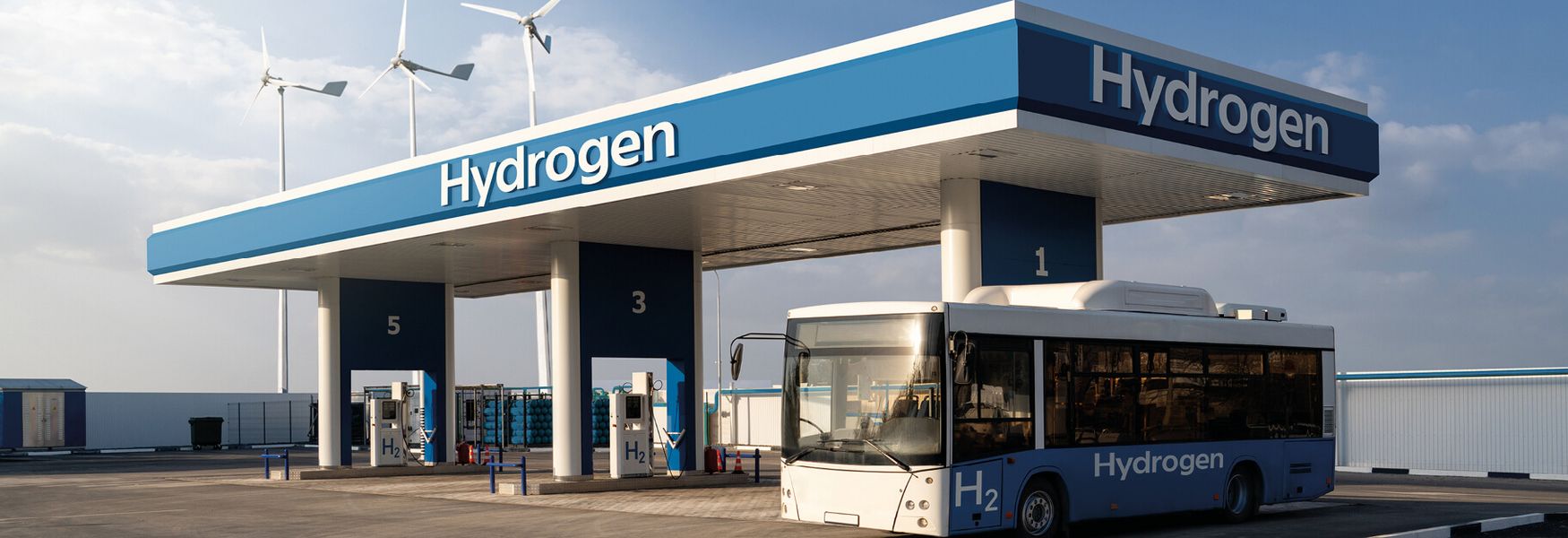
The solenoid valve for fuel cell systems and hydrogen combustion engines. Precision for the energy of the future.


Alexander Grischin
Sales Manager
Quicklinks
- Hydrogen as a key technology in the energy transition
- Fuel cells and hydrogen engines – two concepts, similar actuation
- The injector solenoid as a key component of modern hydrogen internal combustion engines
- Physical properties of hydrogen
- Requirements for solenoid valves and valve magnets in H₂ applications
- Materials: The key to hydrogen compatibility
- Standards and safety requirements
- Magnetbau Schramme in hydrogen technology
- The importance of simulation and digital twins in the hydrogen sector
- Outlook for the future
- Conclusion
Hydrogen as a key technology in the energy transition
The global energy transition is driving profound structural changes across industry, mobility, and the energy sector. Alongside direct electrification and the expansion of renewable energy, hydrogen (H₂) is considered one of the central energy carriers of the coming decades—particularly for applications that require high energy density, rapid refueling, long range, and emission-free operation.
Whether in fuel cell vehicles, stationary energy storage systems, power-to-gas plants, or converted hydrogen-powered gas engines, hydrogen systems place extreme demands on all installed components. Particularly critical are solenoid valves, injectors, sensors, and electromagnetic actuation systems that must operate reliably under high pressure, low temperatures, and the strictest safety requirements.
For companies such as Magnetbau Schramme, which has been developing electromagnets and custom valve solutions for decades, the hydrogen economy represents a highly dynamic field of innovation with significant technological complexity and strong development potential.
Fuel cells and hydrogen engines – two concepts, similar actuation
In hydrogen fuel cells—especially the PEM fuel cells widely used in mobility—hydrogen is not combusted but electrochemically converted into electrical energy. At the anode, hydrogen is split into protons and electrons. The electrons flow through an external circuit, generating electrical energy, while the protons react with oxygen at the cathode to form water. The resulting electricity drives an electric motor—locally emission-free, quiet, and highly efficient.
At the same time, conventional combustion engines converted to run on hydrogen are gaining importance. In these systems, hydrogen is burned directly in the cylinder, similar to natural gas. This technology allows existing engine platforms to continue being used and is particularly attractive for commercial vehicles, stationary units, or industrial applications where high power output, robustness, and ease of maintenance are priorities.
Despite the different physical processes involved, both concepts—fuel cells and hydrogen engines—share a common interface: the precise control of hydrogen supply. Both require specialized solenoid valves. This is where solenoid valves, injectors, and electromagnetic actuators play a decisive role.
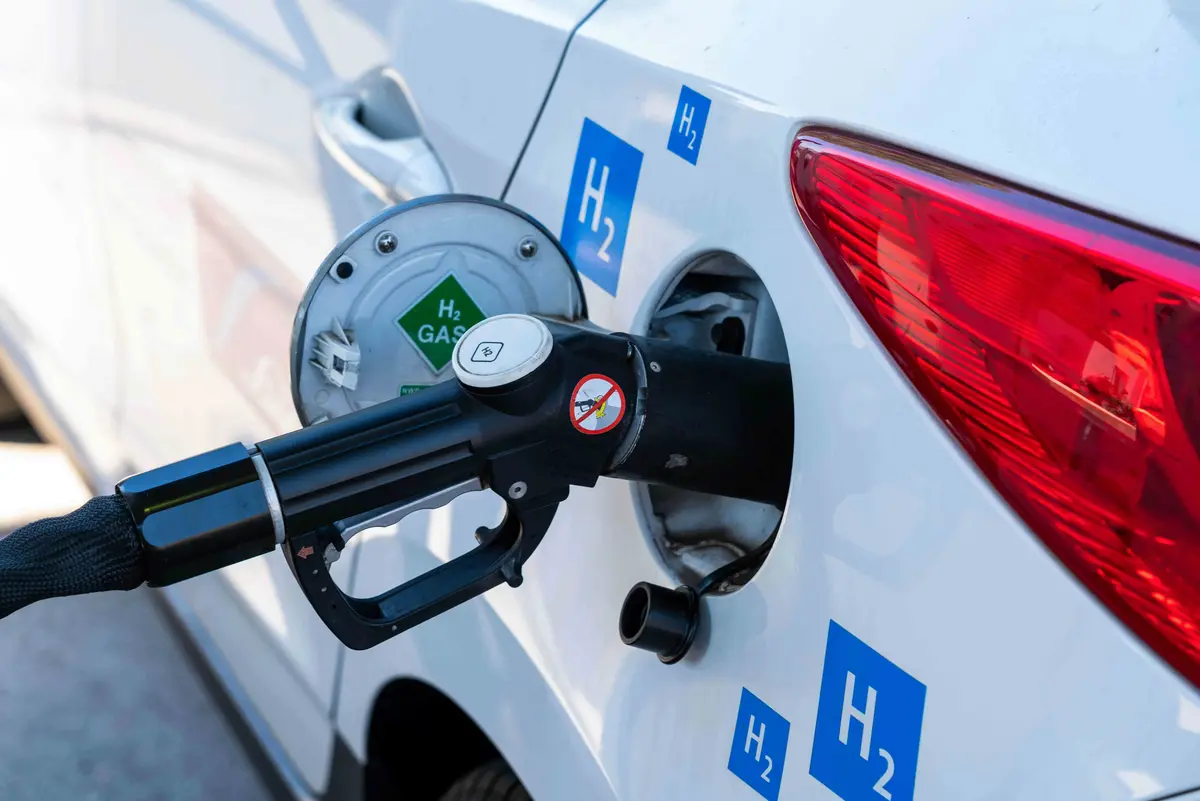
The injector solenoid as a key component of modern hydrogen internal combustion engines
At the core of hydrogen combustion engines is the injector magnet. This is a specially designed electromagnet that moves an armature within an injector to precisely control hydrogen dosing.
An injector magnet typically consists of a magnetic coil, a ferromagnetic core, a movable armature, a return spring, and a sealing unit. When current flows through the magnetic coil, a magnetic field is generated that attracts the armature and opens the valve. The opening time—usually in the millisecond range—directly determines the injected hydrogen quantity.
In hydrogen systems, the requirements placed on these components are particularly demanding. Injector magnets must switch extremely quickly, operate under pressures of up to 700 bar, function reliably at temperatures ranging from –40 °C to over +140 °C, and remain absolutely leak-tight. At the same time, they must neither magnetically saturate nor thermally overload, as even minimal deviations can affect system efficiency or safety.
Physical properties of hydrogen
From an engineering perspective, hydrogen is an exceptional medium. Its extremely small molecular size allows it to diffuse through materials that are considered gas-tight for other gases. In addition, hydrogen has high permeation capability, enabling it to penetrate metallic materials and cause structural changes.
When hydrogen expands, the Joule-Thomson effect must also be considered. Unlike most other gases, hydrogen heats up during expansion at room temperature, which influences the thermal design of hydrogen valves.
A central phenomenon is hydrogen embrittlement. Hydrogen atoms accumulate in the crystal lattice of metallic materials, reducing their ductility and fracture toughness. Components under mechanical stress—such as valve bodies, springs, or armatures—may develop cracks over time or even fail in a brittle manner.
Hydrogen systems also operate at very high pressures. Modern vehicle tanks typically function at 350 or 700 bar, and stationary storage systems may operate at even higher pressures. Solenoid valves must withstand these pressures mechanically while also being able to actuate reliably against them magnetically. At the same time, hydrogen is highly flammable, meaning even minimal leakage is safety-critical.
Requirements for solenoid valves and valve magnets in H₂ applications
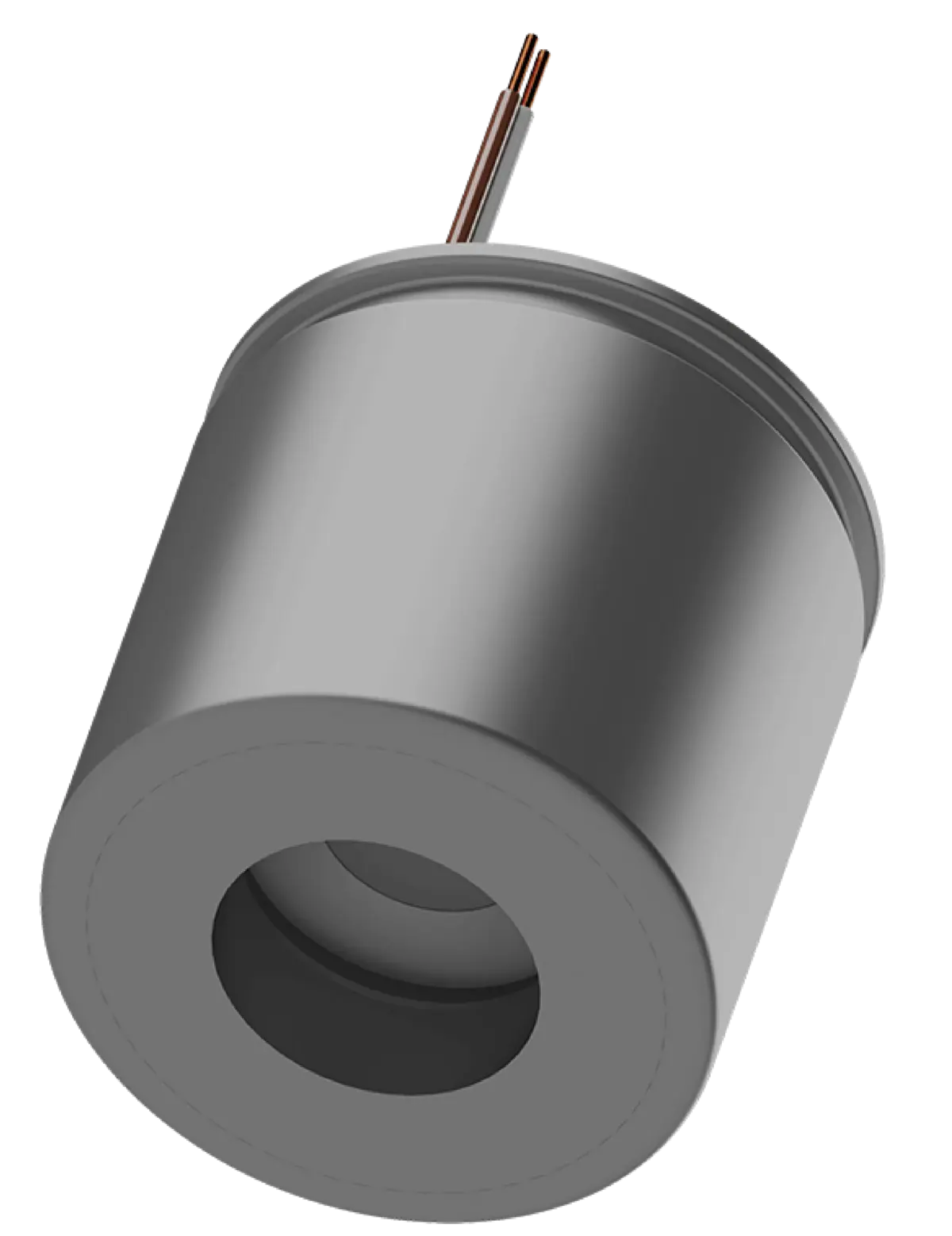
Solenoid valves for hydrogen differ fundamentally from conventional gas or liquid valves. In traditional applications—such as a standard nitrogen valve—low leakage rates may be tolerable. In hydrogen systems, however, near-complete hermetic sealing is required. Due to hydrogen’s small molecular size, even minimal leakage can eventually lead to dangerous concentrations.
The valves must operate under very high system pressures. Electromagnetic actuators must generate sufficient force to switch reliably against these pressures, with high dynamics and reproducible switching times. For injectors in fuel cells or hydrogen engines, switching frequencies can reach millions of cycles over the product’s lifetime.
Thermal stability is another critical requirement. Many systems operate within an extended temperature range of –40 °C to +140 °C. Coils, seals, and mechanical components must neither become brittle nor lose their magnetic properties. Friction and wear must be minimized to achieve service lives well beyond 100 million switching cycles.
Interestingly, developers benefit from synergies with cryogenic technology. Experience gained from valves used in liquid nitrogen applications helps in understanding materials that must remain ductile at extremely low temperatures in hydrogen logistics. Nevertheless, hydrogen valves remain a distinct technical class due to permeation effects and high pressure levels.
Materials: The key to hydrogen compatibility
Material selection is one of the most critical development decisions in hydrogen systems. Since hydrogen can diffuse into many metals and alter their mechanical properties, hydrogen-compatible solenoid valves typically use highly alloyed stainless steels or nickel-based alloys. Materials such as stainless steel 316L, Inconel, or Hastelloy combine high corrosion resistance with strong resistance to hydrogen embrittlement.
Sealing materials must also be carefully selected. Conventional elastomers are often insufficient because they either exhibit high permeation rates or lose elasticity at low temperatures. In practice, fluorinated plastics such as FKM, PTFE, or high-performance polymers like PEEK are commonly used.
Special attention must also be given to the magnetic coil itself. Insulation materials must withstand high temperatures and rapid temperature fluctuations without losing dielectric properties. At the same time, the coil must not contain cavities or material interfaces that could serve as diffusion paths for hydrogen.
Standards and safety requirements
Hydrogen systems are among the most strictly regulated technical applications. Solenoid valves, injectors, and actuators are subject not only to conventional pressure and explosion protection regulations but also to specific hydrogen standards.
Key international regulations include:
- ISO 19880 (Hydrogen infrastructure)
- ISO 14687 (Hydrogen quality)
- SAE J2601 (Refueling protocols)
- IEC 60079 / ATEX (Explosion protection)
- UN ECE R134 (Vehicle approval)
Solenoid valves must be designed so that they do not represent an ignition source, even in the event of failure. In safety-critical applications, redundant systems are often used—for example, double-stroke magnets or mechanical fail-safe mechanisms that automatically move the valve into a safe position in the event of a power loss.
Magnetbau Schramme in hydrogen technology
Magnetbau Schramme brings decades of experience in electromagnets, linear solenoids, proportional solenoids, holding magnets, reversing stroke solenoids, solenoid valves, valve magnets, as well as electromagnetic clutches and brakes. This technological foundation forms the basis for developing demanding hydrogen solutions.
In recent years, Schramme has successfully brought initial hydrogen-related projects into series production, particularly in the areas of high-pressure injectors, safety shut-off valves, and magnetic actuators for H₂ tank systems. The clear focus lies on customer-specific special solutions precisely tailored to individual system architectures and safety requirements.
The importance of simulation and digital twins in the hydrogen sector
In hydrogen applications, simulation is no longer optional—it is essential. The physical boundary conditions—high pressures, extreme temperatures, tight tolerances, and strict safety requirements—cannot be economically managed through experimentation alone.
Electromagnetic simulations, for example using Ansys Maxwell, allow precise prediction of magnetic force, field distribution, and armature movement within a digital model. Flow simulations analyze hydrogen behavior within the valve, while thermal simulations assess coil heating.
In practice, this results in a digital twin of the solenoid valve that replicates real operating conditions and is continuously validated using measurement data from prototypes and series products.
Outlook for the future
The hydrogen economy will not only create new applications but will fundamentally transform the development of solenoid valves. Future actuators will feature enhanced sensor integration, continuously monitoring their own condition. Parameters such as temperature, switching times, current consumption, and magnetic force can be evaluated in real time for condition monitoring and predictive maintenance.
At the same time, the integration of electronics and software will continue to increase. Proportional solenoids and injectors will no longer operate purely mechanically but will be intelligently controlled. In combination with AI-supported algorithms, optimal injection strategies can be implemented for varying load and temperature conditions.
Conclusion
Whether in fuel cell vehicles, H₂ storage systems, or hydrogen-powered combustion engines, highly precise, leak-tight, and robust solenoid valves and injector magnets are indispensable for hydrogen technology.
The unique physical properties of hydrogen demand new materials, new safety concepts, advanced simulation approaches, and deep expertise in magnetic systems. Magnetbau Schramme has already established itself as a technological development partner in this field, with real series projects, strong vertical integration, and a clear focus on customer-specific high-performance actuators.
The hydrogen future will be powered electrically—but it will be controlled magnetically.