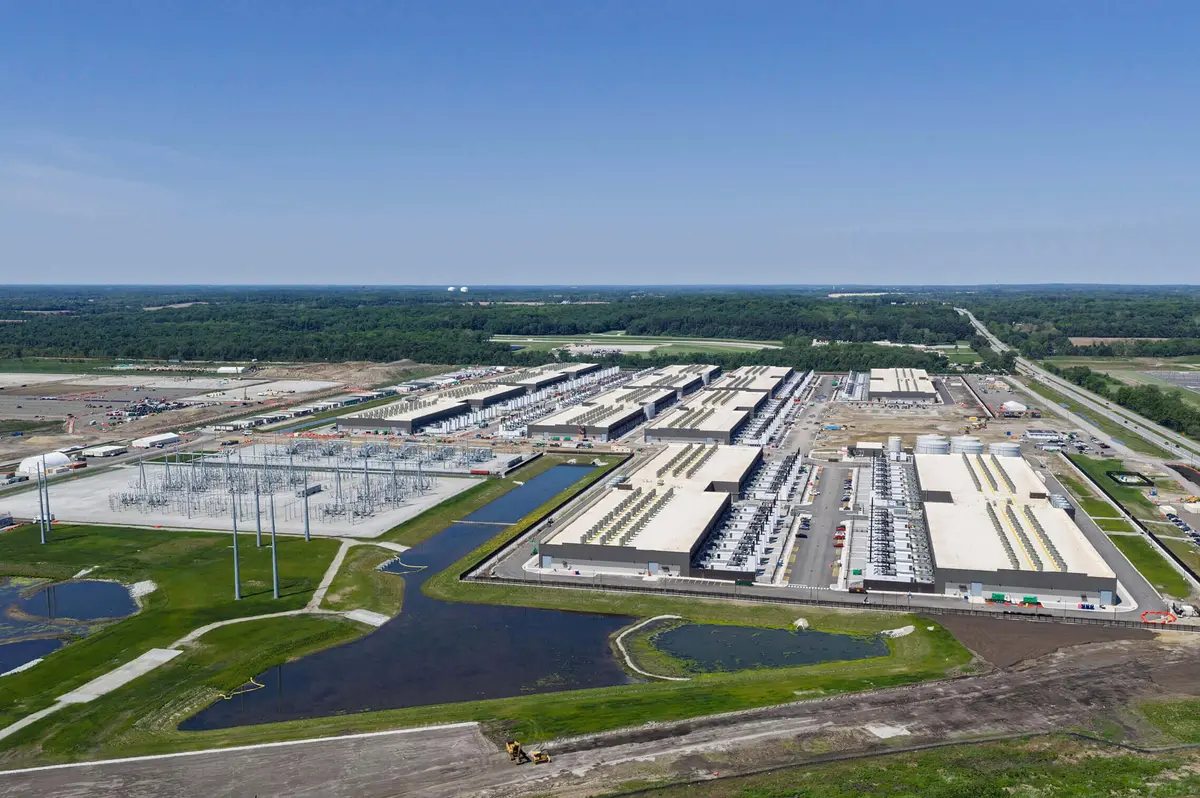
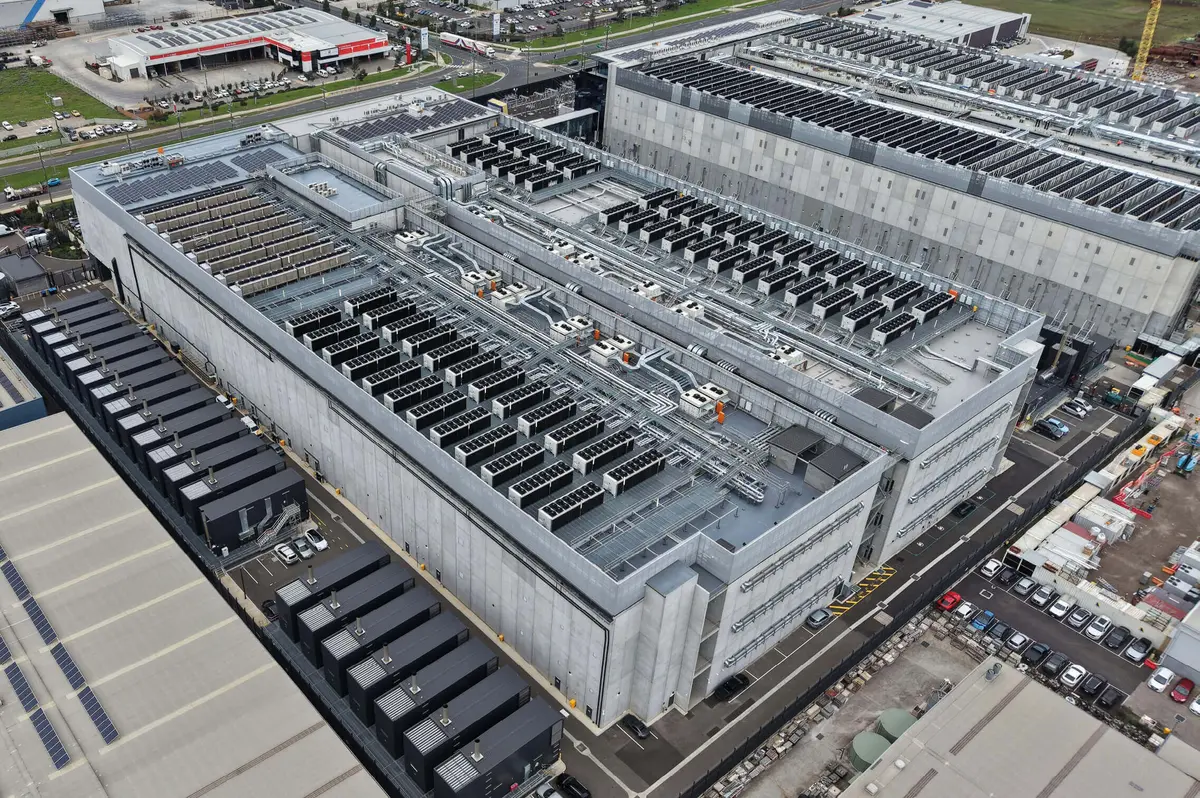
Natural gas, hydrogen and other flammable media make explosion protection increasingly important. A key distinction is necessary here: not every data centre or generator is automatically located in a hazardous area.
The decisive factors are the specific area classification and the presence of a potentially explosive atmosphere. If gas-handling components, fuel systems or particular process areas are located in appropriately classified zones, the electrical components used must be designed to meet the applicable requirements.
In Europe, ATEX Directive 2014/34/EU provides the principal regulatory framework for equipment and protective systems intended for use in potentially explosive atmospheres. The directive also covers certain components incorporated into such equipment and protective systems.
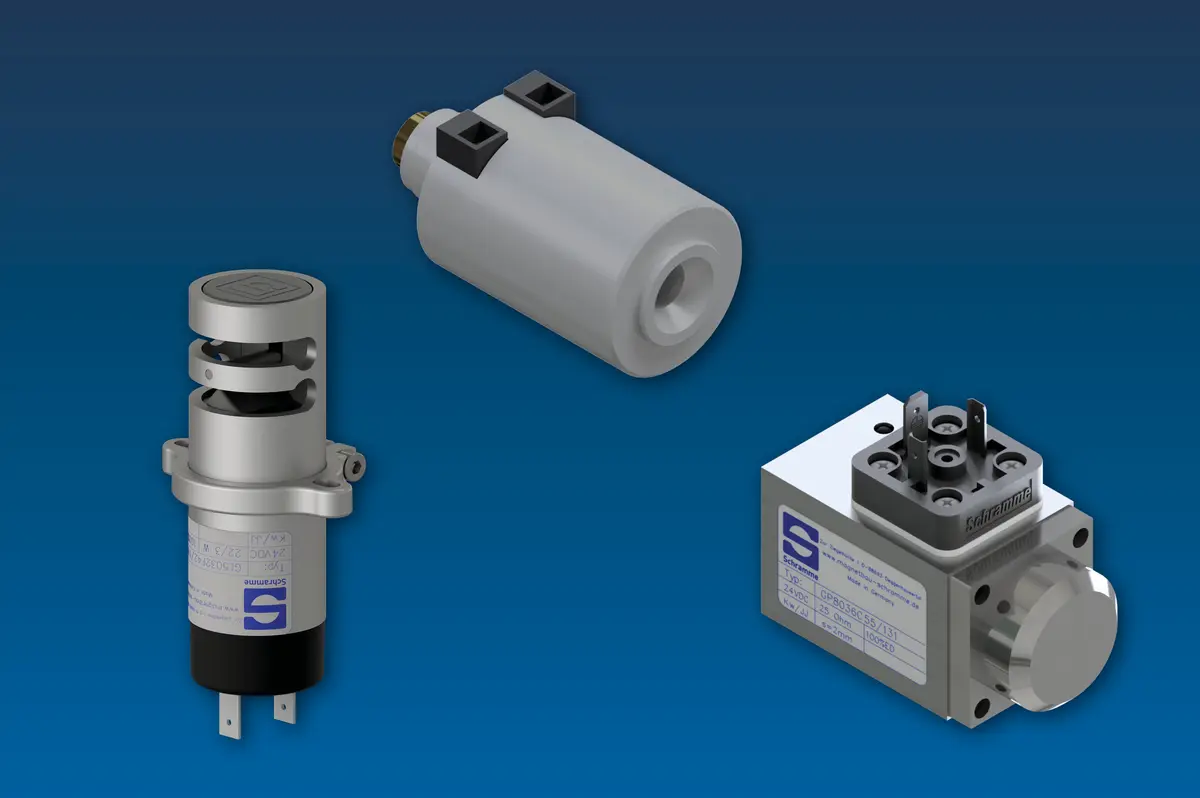
For electromagnets, this makes development significantly more demanding. Magnetic force and switching time are only part of the equation. Electrical heating, enclosure design, type of explosion protection, materials, surfaces and behaviour under fault conditions may also be relevant.
The international IEC 60079 series sets out requirements for electrical equipment and Ex components. IEC 60079-0:2026, published in 2026, for example, contains general requirements for the construction, testing and marking of Ex equipment and Ex components. IEC 60079-14:2024 additionally specifies requirements for the design, selection and installation of electrical Ex equipment.
Early consideration of explosion protection is therefore essential, particularly for custom valve solenoids, switching solenoids and other electromagnetic actuation systems. Changes made later can have a significant impact on design, approval and industrialisation.