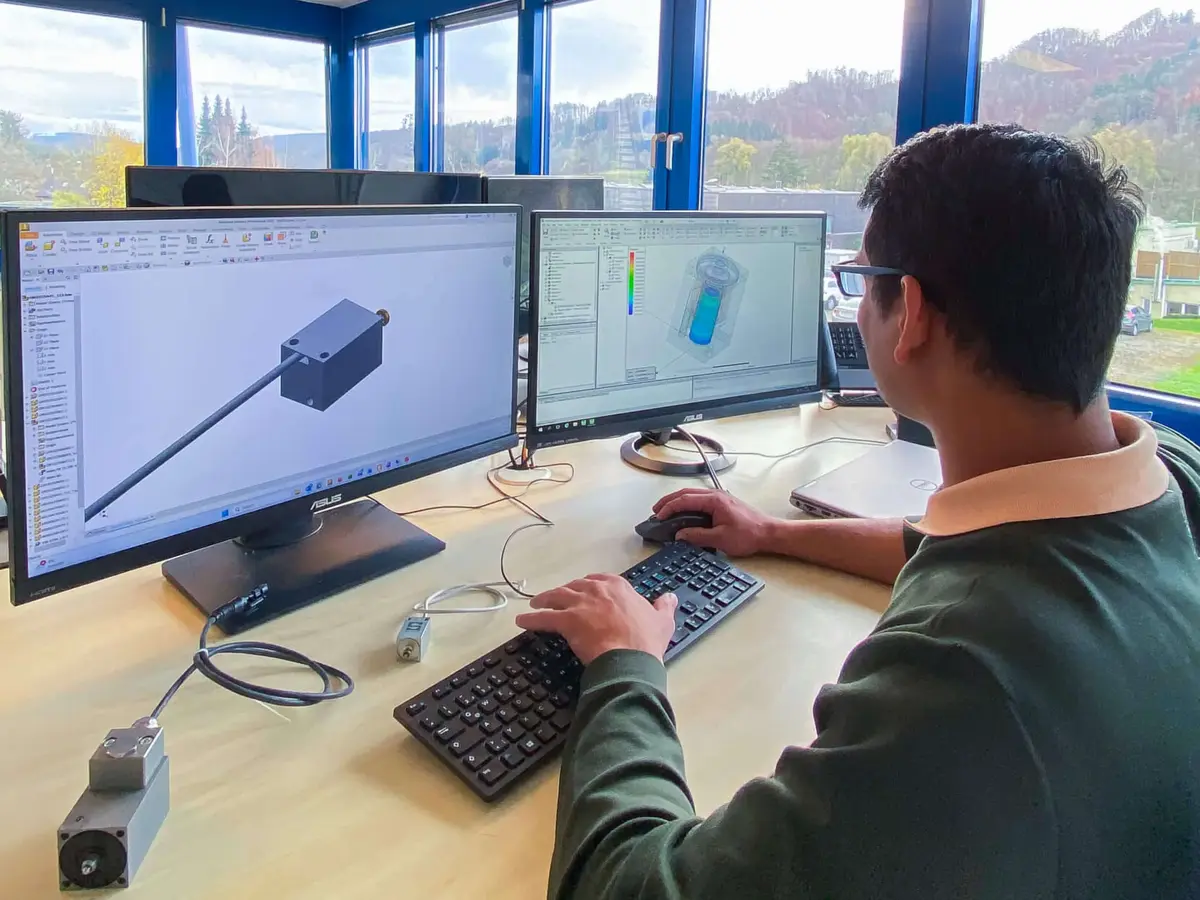
Projektleiter Maximilian Wüst von Magnetbau Schramme koordiniert Kundenprojekte am digitalen Arbeitsplatz.

The 8 success factors for rapid development and successful industrialisation

Alexander Grischin Magnetbau Schramme Vertriebsleiter

Alexander Grischin

Sales Manager

+49 7555 9286 733

+49 172 3050816

grischin@remove-this.magnetbau-schramme.de

Why do some projects with an electromagnet manufacturer move from concept to mass production quickly, while others do not?

The answer lies in eight success factors that consistently integrate development, simulation, manufacturing, and industrialization, thereby determining quality, speed, and cost-effectiveness.
They show how complex requirements can quickly be transformed into solenoid solutions ready for mass production.

Why Some Solenoid Projects Succeed and Others Don't


The development of customized solenoids is initially viewed by many companies as a purely technical task. The requirement seems clear: a solenoid must generate a defined force, fit into a specified installation space, and function reliably. In practice, however, experience shows that numerous challenges lie between a technical idea and a product ready for series production. 

Especially for customized solutions such as linear solenoids, proportional solenoids, valve solenoids, holding solenoids, or reversible solenoids, classical development approaches are often insufficient. Requirements for dynamics, service life, energy efficiency, and cost-effectiveness are continuously rising. At the same time, customers expect short development times, rapid prototype availability, and a smooth transition into series production. 

Why do some manufacturers succeed in developing new electromagnetic actuators to series readiness within just a few months, while other projects take significantly longer or even fail?

The answer rarely lies in a single technical detail. Rather, successful development projects are based on multiple factors that closely connect development, industrialization, and project management. 

Based on Magnetbau Schramme’s many years of experience as a manufacturer of customized solenoids, eight success factors have emerged that decisively determine project duration, quality, and cost-effectiveness. 

Success Factor 1: Fully Understand Requirements Before Development Begins

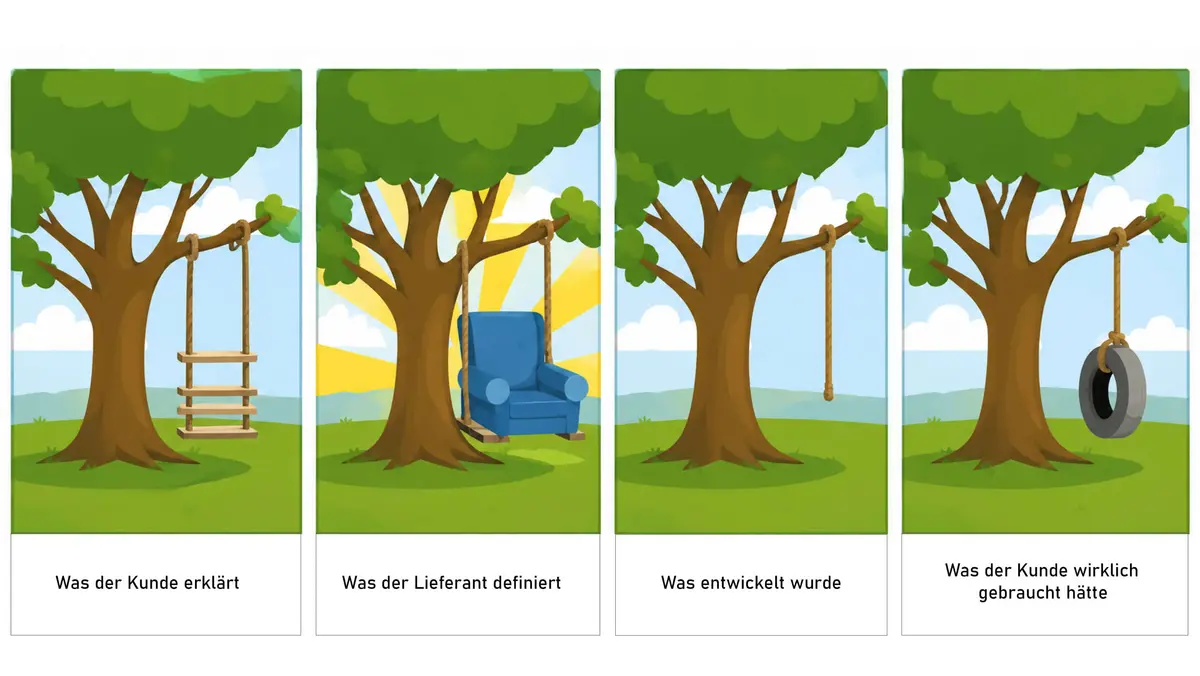
Many development projects lose valuable time right in the starting phase. This is not due to a lack of technical expertise, but because the actual requirements were not fully defined.

In practice, a customer inquiry often contains basic information such as operating voltage, force requirements, or installation space. However, this data is rarely sufficient for a reliable and robust development. Only by looking at the overall system does it become clear which requirements must actually be met.

With a linear solenoid, for example, the required magnetic force might be known. Yet it is also crucial to know whether this force must be achieved at room temperature, at elevated ambient temperatures, or over the entire service life. Switching cycles, duty cycle, mechanical loads, or installation conditions also significantly influence the final design.

Especially with proportional solenoids or solenoid valves, seemingly minor boundary conditions have a direct impact on the electromagnetic design. If such influencing factors are identified late in the process, they often lead to complex, costly adjustments that increase development time and expenses.

Successful projects therefore do not begin with the design stage, but with a deep understanding of the application.

Success Factor 2: Simulation Replaces Expensive Development Loops

The demands on modern solenoid actuators are continuously rising. At the same time, development times are getting shorter. Without powerful simulation tools, balancing these two factors would be virtually impossible today.

Modern FEA software makes it possible to virtually model electromagnetic systems in the early stages of development. Magnetic force curves, flux densities, saturation effects, or temperature developments can be analyzed before the very first prototype is built.

At Magnetbau Schramme, solenoid simulations using Maxwell are among the tools used for this purpose. This allows different design variants to be evaluated and optimized at an early stage. 

Especially for complex actuation systems, proportional solenoids, or valve solenoids, this approach offers significant advantages. Critical questions can be answered digitally right from the start:

  • Will the required solenoid force be achieved?
  • Do local saturation effects occur?
  • How does the solenoid coil behave under thermal load?
  • What impact do material changes have?
  • What margins exist for later adjustments?

Simulation does not replace the physical prototype. However, it ensures that significantly fewer iterations are required and that prototypes can be developed with much greater precision.

Success Factor 3: Development and Manufacturing Must Collaborate from the Very Beginning

A technically perfect design is worthless if it cannot be manufactured cost-effectively later on.

This is precisely where many development projects fail. Designs are initially developed solely from a functional standpoint. Only shortly before the start of series production is it evaluated whether the components can be produced, assembled, and tested economically. The consequences are costly design changes, delays, and additional development loops.

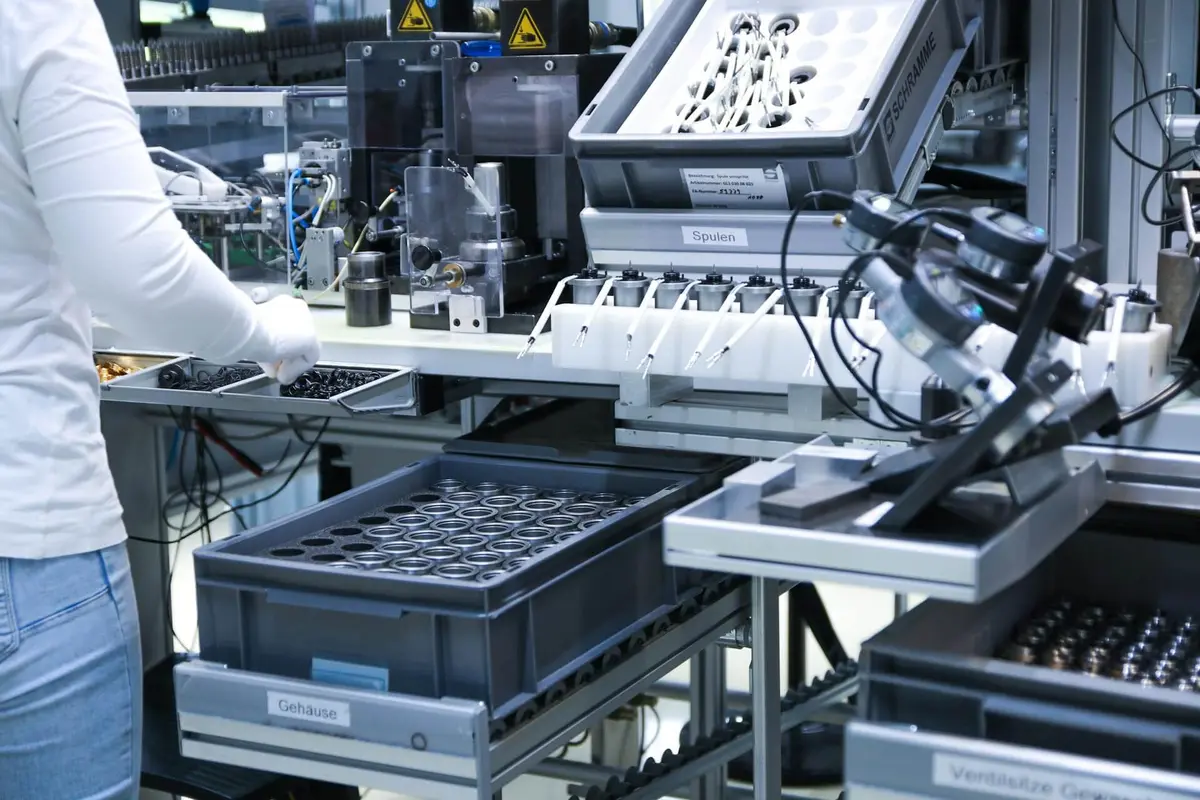
Successful electromagnet manufacturers therefore take a different approach. Development and manufacturing work closely together right from the start. Manufacturing tolerances, assembly processes, material availability, and testing concepts are already taken into account during the design phase.

This applies to all product groups, from linear solenoids, switching solenoids, and double solenoids to solenoid valves, or electromagnetic clutches and brakes.

This early integration results in solutions that not only function technically but can also be produced cost-effectively.

Success Factor 4: Fast Prototypes Create Fast Insights

A project is not accelerated by drawings, but by insights.

That is why the rapid provision of functional prototypes is one of the most critical success factors in modern development projects.

While digital simulations deliver valuable results, they can never fully replicate all real-world influences. Only physical prototypes allow actual operating conditions to be evaluated and validated.

Customers can perform early functional tests, check installation scenarios, and analyze interactions within their overall system. At the same time, the development team gains vital data regarding magnetic force, dynamics, temperature behavior, and wear.

The earlier these insights are available, the faster the necessary optimizations can be implemented.

The ability to provide high-quality prototypes within a short timeframe is therefore increasingly becoming a decisive competitive advantage. Especially with customized solenoids, this significantly reduces the time to series readiness.

Success Factor 5: Project Management Is a Technical Success Factor

Project management is often viewed as a purely organizational discipline. In technically demanding development projects, however, it is far more than that.

The more complex a project becomes, the more departments must work together. Development, purchasing, quality assurance, manufacturing, suppliers, and the customer all influence one another. Without clear coordination, friction losses are inevitable. Professional project management ensures that technical decisions, scheduling, and resource allocation remain closely aligned.

Especially with customized actuators, requirements frequently change during the development phase. New insights from simulations, test results, or customer trials must be evaluated and integrated into the project workflow.

In this process, the decisive factor is not the number of meetings, but the speed of decision-making. Direct communication channels and clear responsibilities make it possible to resolve technical challenges early on and push projects forward efficiently.

Success Factor 6: Industrialization Begins Long Before the Start of Production

One of the most common misconceptions in development projects is viewing industrialization as the final project step. In reality, successful industrialization begins as early as the concept phase.

Questions like these must be answered early on:

  • Can critical components be sourced reliably in the long term?
  • Are the required tolerances economically viable?
  • What tests and inspections will be needed in series production?
  • How can assembly processes be kept stable and robust?
  • What quality standards must be met?

The earlier these aspects are taken into account, the smoother the transition to series production will be.

For this reason, Magnetbau Schramme integrates experience from manufacturing, quality assurance, and the supply chain into the earliest phases of development. This allows potential risks to be mitigated before they turn into actual problems. Especially in the case of high production volumes or demanding quality requirements, this early focus on industrialization often decides the commercial success of a project.

Success Factor 7: Quality Is Created During Development, Not at the End

Many people associate quality primarily with final inspections or releases. In reality, however, quality is created much earlier.

The foundation is built on structured development processes with clearly defined verification and validation steps.

Technical concepts are regularly reviewed as early as the development phase. Design reviews, simulations, calculations, and prototype inspections serve to identify potential weak points at an early stage. 

This is followed by extensive verifications under realistic conditions. Among other parameters, magnetic force, switching behavior, thermal load capacity, service life, and electrical characteristics are thoroughly examined.

Especially in industries with stringent quality requirements,such as automotive, medical technology, or industrial automation,this systematic validation is indispensable.

Standards such as IATF 16949 establish the organizational framework to guarantee quality in a reproducible and traceable manner.

Success Factor 8: Speed as a Competitive Advantage – Why Time-to-Market Is Becoming Increasingly Important

In many sectors today, a product’s technical performance is no longer the sole determinant of market success. Equally important is the speed with which new developments can be implemented, validated and brought into series production.

In dynamic markets such as the automotive industry, medical technology, industrial automation and energy technology in particular, development cycles are becoming ever shorter. Customers expect initial technical concepts within a matter of weeks, prototypes available at short notice and rapid industrialisation.


For manufacturers of customised electromagnets, this means that development and production processes must be closely integrated. Short decision-making processes, efficient adjustments and the ability to drive projects forward without unnecessary coordination loops are crucial.


This is precisely where Magnetbau Schramme’s key competitive advantage lies. Thanks to short decision-making processes, a high degree of vertical integration and close collaboration between development, project management, quality assurance and production, projects can be implemented particularly efficiently. Technical issues are resolved directly between the relevant departments, saving valuable time.


Another key to success is the early availability of prototypes and functional models. These enable technical assumptions to be verified at an early stage and optimisations to be implemented as early as the development phase. At the same time, manufacturing requirements, test concepts and quality aspects are incorporated into the development process right from the design stage. This reduces the need for subsequent adjustments and significantly shortens the transition to series production.


In this context, time-to-market does not mean compromising on quality or reliability. On the contrary: sustainable speed is achieved through structured development processes, technical expertise and industrial experience. Standards such as IATF 16949, along with established verification and approval processes, ensure that the required product quality is maintained even under tight deadlines.

For customers, this represents a decisive advantage: new products reach market readiness more quickly, development risks are reduced and innovation projects are implemented more efficiently. At a time when speed is increasingly a decisive factor in competitiveness, the ability to develop and industrialise products rapidly is itself becoming a key success factor.

Practical Example: From the First Injector Solenoid to Series Production in Less Than a Year

A development project from one of the industry's currently most exciting technological fields,the hydrogen economy, demonstrates how this success factors work in practice.


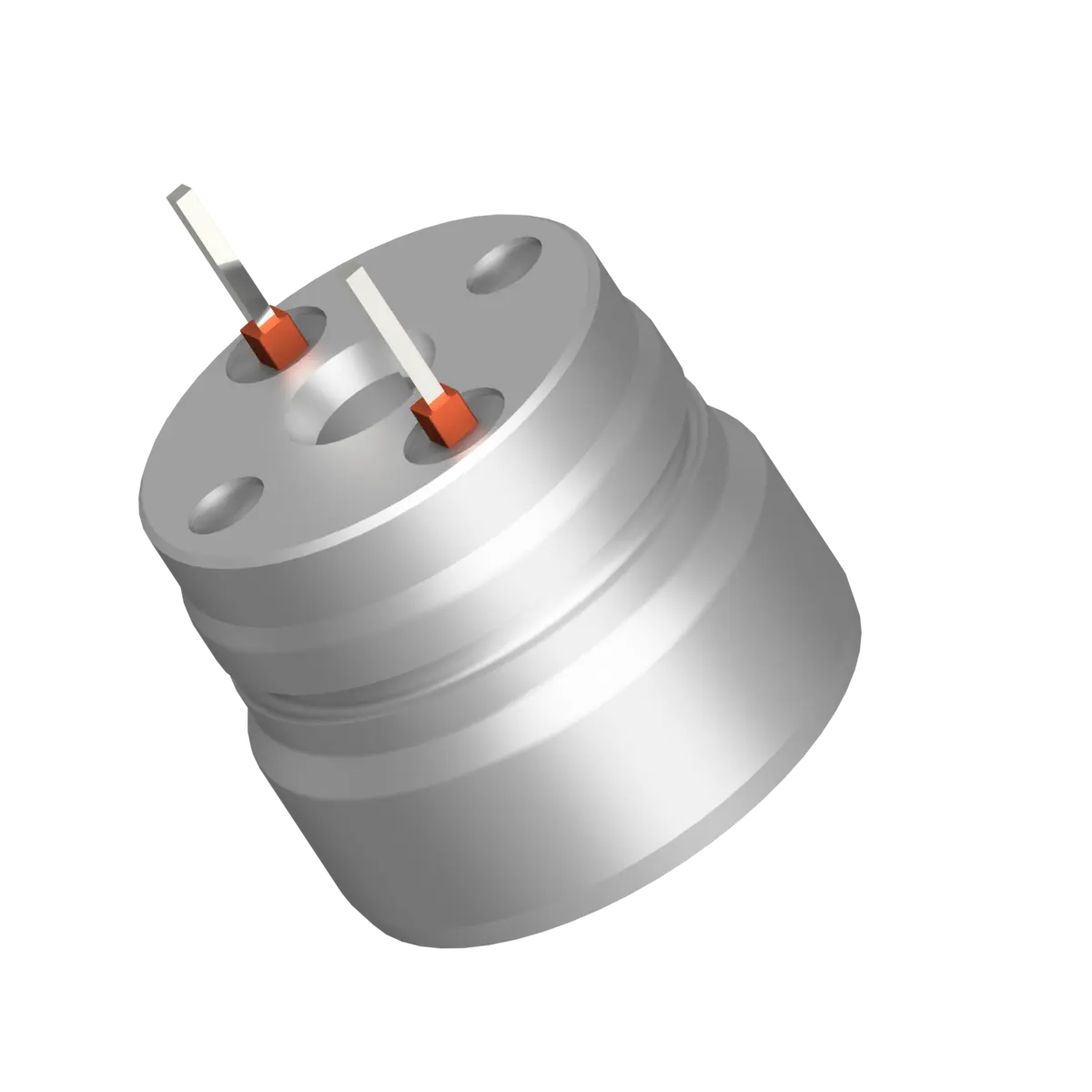
Maximilian Wüst, an industrial engineer who has been working as a Project Manager/Multi-Project Manager at Magnetbau Schramme for more than four years, guided the project all the way to a successfully industrialized series product. The project focused on the development of an injector solenoid for a hydrogen gas engine. The solenoid performs a central function within the injector, controlling the precise injection of hydrogen into the engine's combustion chamber.


For Magnetbau Schramme, this project was a unique challenge in several ways. On the one hand, it was the company's very first injector solenoid. On the other hand, the project took place in a technologically new market with requirements that go far beyond classic industrial applications.

Right from the concept phase, it became clear that the development would require maximum precision. Some of the required manufacturing and functional tolerances were in the micrometer range. At the same time, the solenoid had to generate high magnetic forces within an extremely tight installation space while ensuring permanently reproducible switching operations.


In addition, there were demanding baseline conditions from the automotive sector. Along with strict quality requirements, the solenoid had to function reliably at elevated ambient temperatures. The required service life was particularly challenging: the injector solenoid had to deliver consistent performance over several hundred million switching cycles. Furthermore, all materials used had to be suitable for long-term use in hydrogen applications and withstand the specific challenges posed by this energy carrier.


Despite this demanding starting point, the team succeeded in leading the project from the development phase to series production in less than a year.

A key success factor was the close collaboration among all departments involved. Development, project management, quality assurance, purchasing, and manufacturing worked tightly integrated right from the start. Decisions were made quickly because the relevant contact persons were directly involved, allowing technical issues to be resolved without lengthy coordination loops.


At the same time, great emphasis was placed on transparent and regular communication with the customer. Weekly alignments ensured that new insights, technical changes, or optimization potentials could be immediately evaluated and integrated into the project. This created a mutual understanding of priorities, risks, and project goals on both sides.


The rapid provision of samples also played a decisive role. Early in the project phases, initial prototypes could be tested and evaluated under realistic conditions. The insights gained flowed directly back into the refinement of the solenoid, enabling the product to reach technical maturity rapidly.

In parallel, structured project management processes, clean documentation, and consistent tracking of all measures ensured that,despite the highly dynamic nature of the project,there was total transparency regarding project status at all times. Even during peak workloads, deadlines were met because everyone collaborated across project boundaries and supported each other.


The result was a fully developed, validated, and industrialized injector solenoid for hydrogen applications that was successfully transitioned into series production within a very short timeframe.


This project serves as a prime example that successful solenoid development today goes far beyond pure engineering design. It is the interplay of technical know-how, rapid decision-making, close customer communication, efficient project management, and an early industrialization strategy that makes it possible to bring demanding innovations to series readiness in a short amount of time.

Conclusion: Successful Electromagnet Projects Are a Team Effort

The development of custom s today is far more than just a design task. Technical performance, short development times, and reliable industrialization do not happen by chance,they are the result of a systematic interplay between different disciplines.


Successful projects are defined by understanding requirements early on, utilizing targeted simulations, making prototypes rapidly available, and integrating manufacturing and quality assurance from the very beginning.


For companies that rely on custom linear solenoids, proportional solenoids, valve solenoids, holding magnets, solenoid valves, or other electromagnetic actuators, choosing the right development partner becomes a decisive success factor.


After all, project success is ultimately determined not just by the quality of the solenoid itself, but by the ability to efficiently bridge the gap between development and industrialization


Are you planning a new project in the field of solenoid actuators? 


Leverage our expertise as a specialized solenoid manufacturer. Contact our project engineers today for a complimentary initial consultation and feasibility analysis.


Enquire about a project now

Autor

Maximilian Wüst is an Industrial Engineer and works as a Project Manager in industrial product development at Magnetbau Schramme. His focus is on the efficient planning and management of product development and industrialization processes, from the initial concept phase through to series production. He emphasizes clear structures, interdisciplinary collaboration, and proven practical methodologies to ensure successful project execution. 

Alongside his project work, he is actively involved in refining project management standards and shares his expertise through training sessions and workshops.

Sources

  1. VDI 2221 – Methodik zum Entwickeln und Konstruieren technischer Systeme und Produkte: https://www.vdi.de/richtlinien/details/vdi-2221
  2. ANSYS – Maxwell Electromagnetics Simulation: https://www.ansys.com/products/electronics/ansys-maxwell
  3. AIAG – Advanced Product Quality Planning (APQP): https://www.aiag.org/quality/automotive-core-tools/apqp
  4. IATF 16949 – Quality Management System Requirements for Automotive Production: https://www.iatfglobaloversight.org/
  5. Project Management Institute (PMI) – PMBOK® Guide & Project Management Standards: https://www.pmi.org/
  6. Pahl/Beitz – Engineering Design (Konstruktionslehre, Springer): https://link.springer.com/book/10.1007/978-1-84628-319-2
  7. Interviews und Erfahrungsberichte aus Entwicklungsprojekten der Magnetbau Schramme GmbH & Co. KG, insbesondere mit Projektleiter Maximilian Wüst (Wirtschaftsingenieur), ergänzt durch unternehmensinterne Entwicklungs-, Muster- und Industrialisierungsprozesse.

Questions and Answers About the Development of Custom Solenoids

1. What advantages do custom electromagnets offer over standard solutions?

Custom-designed solenoids can be precisely tailored to the specific application. This allows for optimal use of the available installation space, greater efficiency, and often a longer service life. 


2. What information helps speed up the development of a solenoid?

The more thoroughly the technical requirements are defined at the outset, the sooner development can begin. Information on installation space, magnetic force, voltage, temperature range, and switching cycles helps to identify a suitable solution early on and avoid unnecessary development iterations.


3. Which industries benefit most from short development cycles?

The automotive, medical technology, and industrial automation sectors, as well as the hydrogen and energy technology sectors, in particular, are operating with ever-shorter innovation cycles. Rapid development and industrialization give companies in these sectors a decisive competitive advantage.


4. What role does material selection play in solenoids?

In addition to the solenoid design, the materials used also affect the performance and service life of a solenoid. Depending on the application, materials must withstand high temperatures, corrosion, or millions of switching cycles.


5. Can an existing electromagnet be optimized?

A completely new design is not always necessary. Often, existing electromagnets can be specifically optimized in terms of magnetic force, energy efficiency, installation space, or service life, and adapted to new requirements. Engineering at Magnetbau Schramme 


6. What are the advantages of working with a development partner that has its own manufacturing facilities?

When development, prototyping, and mass production all take place under one roof, changes can be implemented much more quickly. At the same time, close coordination between departments improves quality and shortens time to market.


7. What tests do electromagnets undergo before they are approved for mass production?

Before mass production begins, electromagnets are tested for magnetic force, switching behavior, temperature resistance, and service life, among other things. These tests ensure that the components function reliably even under real-world operating conditions.


8. How can we shorten the time to market for development projects?

Close collaboration among all project participants, digital simulations, and early functional prototypes help to significantly reduce development times. At the same time, taking mass production into account early on helps to avoid delays later on.


9. Which types of electromagnets are used most frequently?

Depending on the application, different types of solenoids are used, such as lifting solenoids, proportional solenoids, valve solenoids, or holding solenoids. The selection depends on the requirements for motion, force, and controllability. 


10. What should companies look for when choosing an electromagnet manufacturer?

In addition to technical expertise, experience in project development, simulation capabilities, rapid prototyping, and in-house mass production play an important role. A development partner who supports every step of the process can often implement projects more efficiently and cost-effectively.